Austrian Verification Timelines Shape Incentive Releases at Mobile Casinos
Geschrieben von Avery Lang · 31.10.2026
Austrian Verification Timelines Shape Incentive Releases at Mobile Casinos
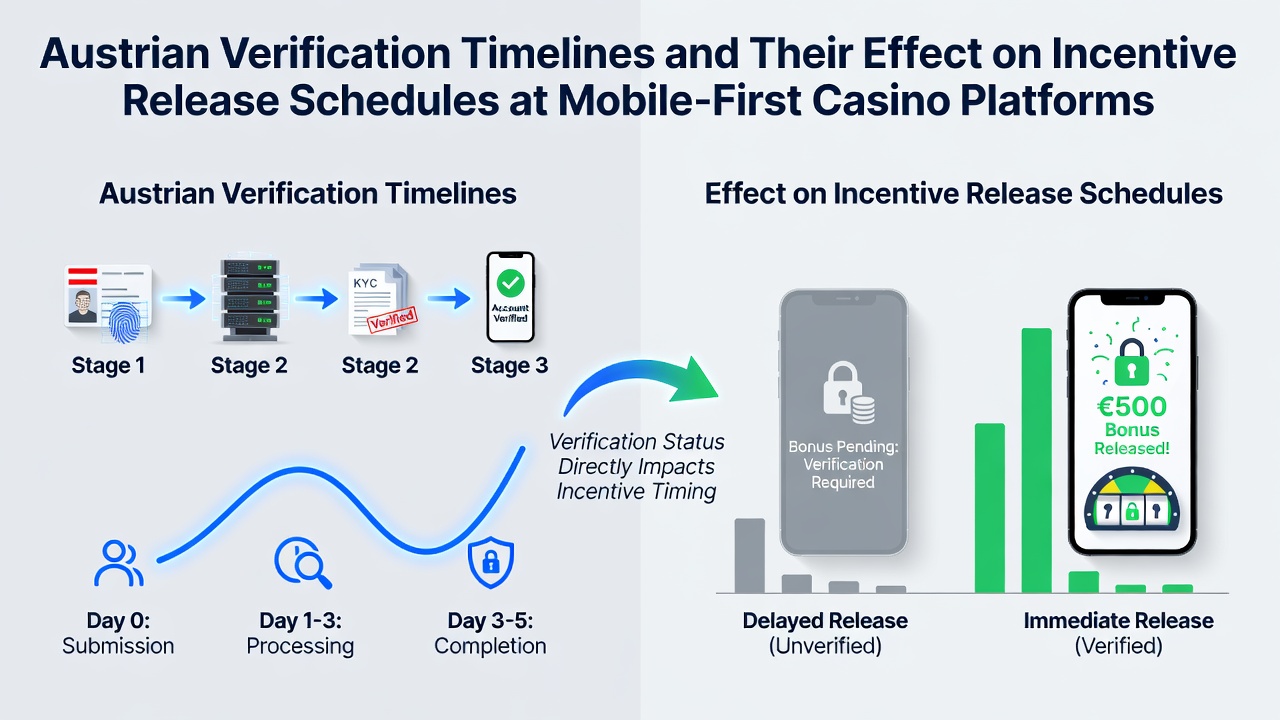
Verification procedures in Austria follow structured steps that directly determine when incentives become available on mobile-first casino platforms, with each phase building on the previous one to confirm player identity and eligibility before any bonus activation occurs. Data from regulatory filings shows that standard identity checks, including document uploads and address confirmation, typically span between 24 and 72 hours during peak periods, while extended reviews involving manual cross-checks extend this window further in some cases.
Core Elements of Austrian Verification Protocols
Authorities require multiple layers of confirmation before platforms release deposit-free incentives or matched bonuses, and operators integrate these requirements into their mobile systems to maintain compliance across all user sessions. Research indicates that biometric elements combined with government ID scans form the initial gate, after which financial verification through bank records or e-wallet linkages completes the process, creating a sequential timeline that mobile apps must accommodate without disrupting user flow.
Observers note that platforms often pause incentive releases until verification reaches full status, which prevents premature distribution of rewards while ensuring adherence to licensing conditions set by Austrian bodies. This approach aligns with broader European standards where similar checks appear in other jurisdictions, though Austria maintains its own specific cadence tied to local banking hours and holiday schedules.
Mobile Platform Adaptations to Verification Delays
Mobile-first operators adjust their app architectures to handle verification queues by implementing staged access, allowing limited gameplay while full checks proceed in the background, yet incentive unlocks remain gated until completion. Studies from regional gaming associations reveal that session length tracking integrates with these timelines, so players who verify quickly see faster bonus availability compared to those requiring additional documentation during October 2026 updates that introduced enhanced data-matching requirements.
What's interesting is how these adjustments affect release schedules, since platforms synchronize incentive drops with verification milestones rather than fixed calendar dates, leading to variable availability windows that depend on individual player processing speeds. External factors such as peak registration times around weekends or public holidays can stretch timelines, prompting developers to build predictive notifications into their mobile interfaces.
Impact on Incentive Distribution Patterns
Release schedules for ongoing player incentives shift noticeably when verification extends beyond standard windows, with data showing that matched deposit bonuses activate only after both identity and payment method confirmations clear simultaneously. According to reports from the European Commission, coordinated regulatory frameworks across member states highlight how such delays influence player retention metrics at licensed sites, particularly those optimized for smartphone access.
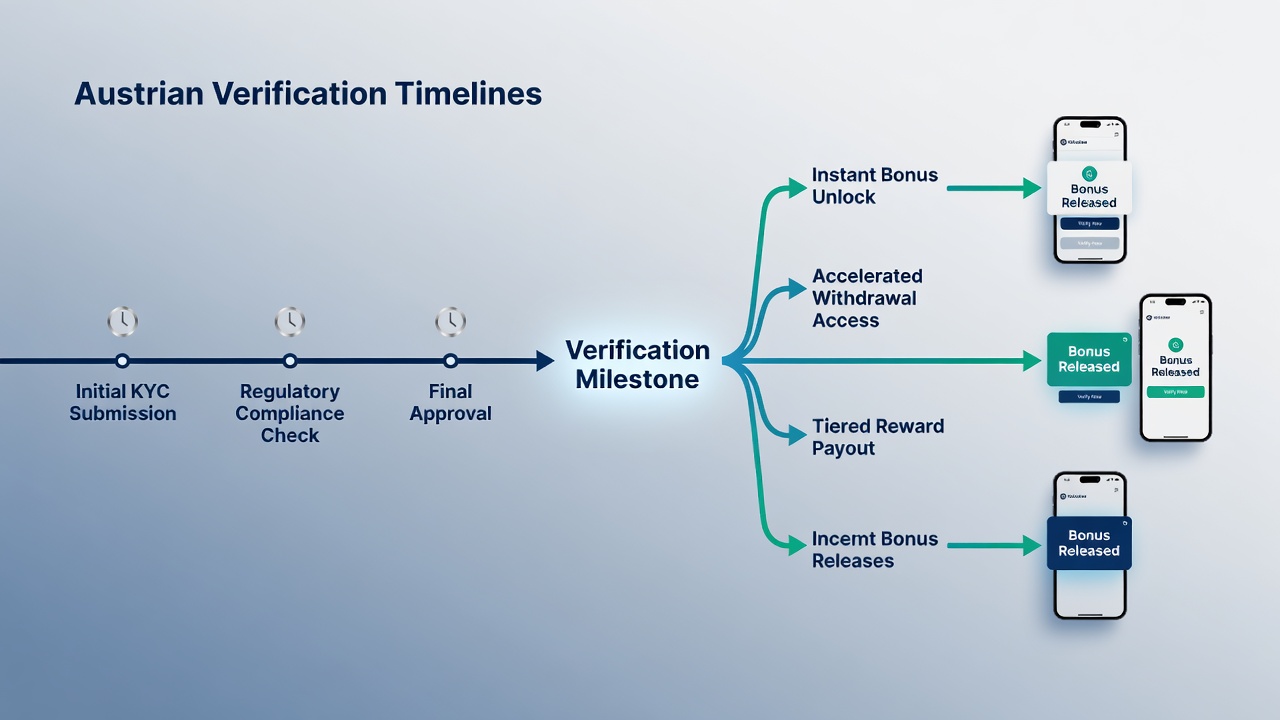
Platforms respond by front-loading certain low-value rewards that trigger upon partial verification, while holding higher-tier incentives until full approval, a pattern documented in industry analyses from 2025 onward. This staged method reduces friction for new users yet maintains strict controls that tie directly into the regulatory expectations around responsible gaming measures.
Regulatory Influences on Scheduling Adjustments
Updates effective into October 2026 introduced tighter integration between verification status and incentive eligibility, requiring platforms to log exact timestamps for each approval stage before releasing any promotional credits. Researchers at academic institutions, including findings referenced in a University of Sydney gambling policy paper, have tracked how these rules alter the cadence of welcome offers and loyalty rewards at mobile-dominant operators compared to desktop-heavy sites.
Those who've examined compliance records observe that faster verification pathways, such as automated bank transfers paired with digital ID, compress release schedules to under 48 hours in many instances, whereas traditional methods extend them to several days. This variation creates distinct user experiences across different mobile casino applications operating under Austrian licenses.
Conclusion
Overall patterns demonstrate that Austrian verification timelines serve as the primary driver behind when incentives reach players on mobile-first platforms, with each procedural layer adding measurable intervals that operators must navigate to stay compliant. Figures from ongoing regulatory monitoring continue to show these connections shaping reward distribution in consistent ways through late 2026 and beyond, as systems evolve to balance security demands with user expectations around timely access.