Austria's Licensed Platforms Show How Game Volatility Metrics Guide Deposit-Free Reward Customization for Different Player Segments
Geschrieben von Willa Carter · 14.11.2026

Austria's Licensed Platforms Show How Game Volatility Metrics Guide Deposit-Free Reward Customization for Different Player Segments
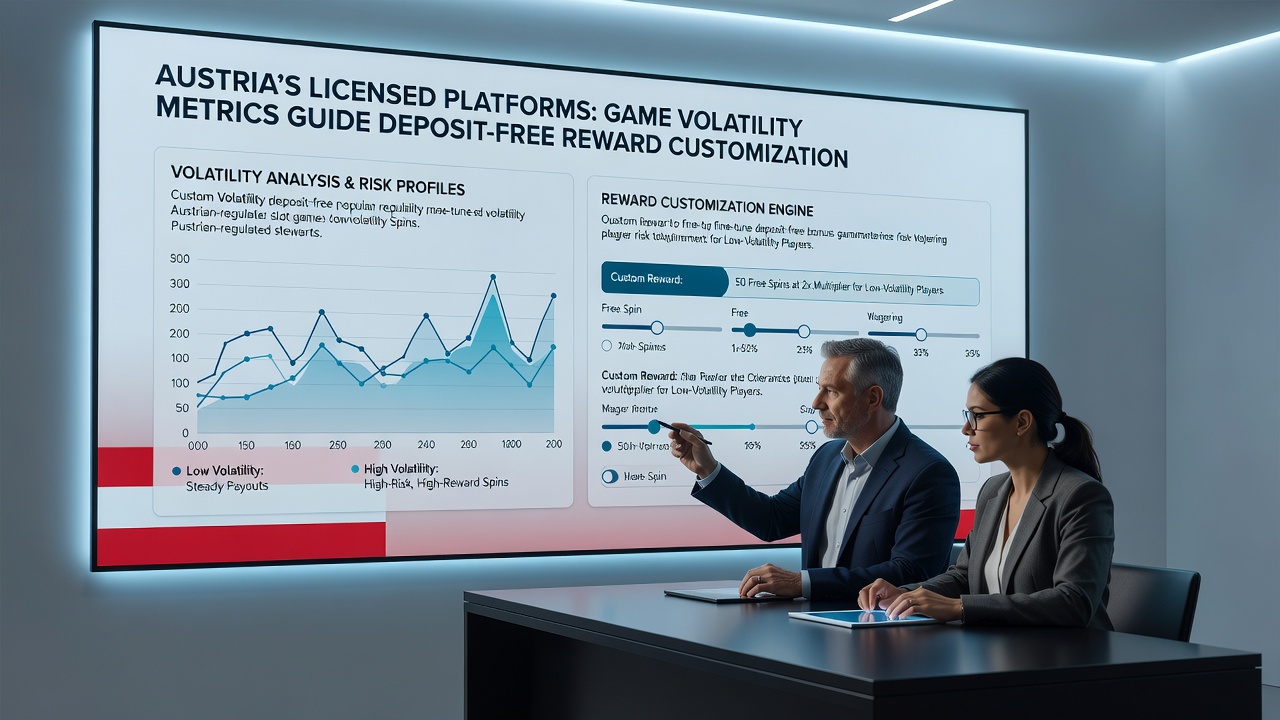
Austria's licensed online gaming platforms have incorporated game volatility metrics into their deposit-free reward systems, and these metrics help operators adjust no-deposit bonuses according to player behavior patterns observed across different segments. Volatility refers to the frequency and size of payouts in a game, with low-volatility titles delivering smaller wins more often while high-volatility options produce larger but less frequent returns, and platforms track these characteristics to match rewards with individual play styles.
Understanding Volatility Metrics in Licensed Environments
Operators in Austria collect data on volatility through software provider reports and internal analytics, then they apply this information to customize free spins or bonus credits without requiring an initial deposit. Data from November 2026 shows that platforms licensed under Austrian regulations use algorithms to categorize games by volatility levels, which allows them to allocate rewards that align with risk preferences across player groups. Researchers at European gaming studies have noted that such segmentation improves retention rates because rewards feel relevant to the types of games users prefer.
Low-volatility games suit players who seek steady engagement, whereas high-volatility selections attract those comfortable with longer dry spells before potential big outcomes, and the platforms adjust bonus values accordingly. For instance, a player identified through session data as favoring low-volatility slots might receive additional free spins on similar titles, while another segment receives credits suited to higher-volatility options that match their established patterns.
Player Segmentation Based on Behavioral Data
Platforms divide users into segments using metrics like average bet size, session duration, and game selection history, then volatility data refines the customization of deposit-free offers for each group. Observers note that casual players often cluster around lower-volatility preferences, mid-level participants show mixed selections, and dedicated users lean toward higher-volatility experiences, which prompts tailored reward structures. According to findings from the Australian Institute of Criminology, behavioral segmentation supported by volatility tracking leads to more precise incentive distribution across regulated markets.
These segments receive distinct reward formats, such as spin quantities scaled to volatility or credit amounts adjusted for payout frequency, and the process relies on real-time tracking systems that update profiles continuously. In November 2026, several Austrian platforms reported expanded use of these methods following regulatory clarifications on data usage in bonus allocation, which helped maintain compliance while refining customization accuracy.
Implementation Across Licensed Platforms
Licensed operators integrate volatility metrics into backend systems that automatically suggest or apply deposit-free rewards during player registration or return visits, and this automation reduces manual oversight while ensuring offers remain consistent with game characteristics. Experts have observed that platforms test these customizations through A/B trials, comparing outcomes for segments exposed to volatility-matched rewards versus standard offers, and results indicate stronger alignment with player expectations when metrics guide the process.
Transaction pathways and verification timelines also intersect with these systems because deposit-free rewards must clear compliance checks before activation, yet the volatility layer adds another filter that personalizes the experience without altering regulatory requirements. One study revealed that platforms incorporating these metrics saw improved match rates between rewards and game types selected by different segments, which supports sustained platform use over time.
Regulatory Context and Data Sources in 2026
Austrian licensing authorities have emphasized transparency in how platforms use player data for reward customization, and this framework includes guidelines on volatility metrics as part of broader responsible gaming measures. Research indicates that by November 2026, updates to reporting standards encouraged operators to document how volatility influences bonus structures, providing clearer oversight without restricting innovation in segmentation techniques. A report from the Canadian Centre on Substance Use and Addiction highlights similar patterns in regulated jurisdictions where data-driven customization supports both player engagement and compliance goals.
These developments show how volatility metrics function as a practical tool rather than an optional feature, guiding platforms to differentiate offers based on established play patterns across segments. Figures reveal steady adoption rates among licensed sites, with the approach extending to mobile applications that mirror desktop customization logic.
Conclusion
Austria's licensed platforms demonstrate through ongoing implementation that game volatility metrics serve as a core component in shaping deposit-free rewards for distinct player segments, and this practice continues to evolve with available data tools. The integration connects game characteristics directly to reward design, supporting precise allocation that reflects observed preferences without exceeding regulatory boundaries. As systems advance, the focus remains on accurate tracking and compliant application of these metrics across the market.