Austria's Regulatory Shifts Reveal Fresh Patterns in How Software Providers Structure Ongoing Player Incentives at Licensed Platforms
Geschrieben von Petra Carter · 5.9.2026
Austria's Regulatory Shifts Reveal Fresh Patterns in How Software Providers Structure Ongoing Player Incentives at Licensed Platforms
Austria's gaming sector continues to adapt as fresh regulatory measures reshape how software providers design and deliver ongoing player incentives at licensed platforms, with adjustments focusing on transparency, player protection protocols, and structured reward mechanisms that extend beyond initial sign-ups. These developments build on existing licensing requirements while introducing new guidelines that affect loyalty programs, reload offers, and cashback structures across digital venues operating under national oversight.
Key Changes in Licensing Requirements
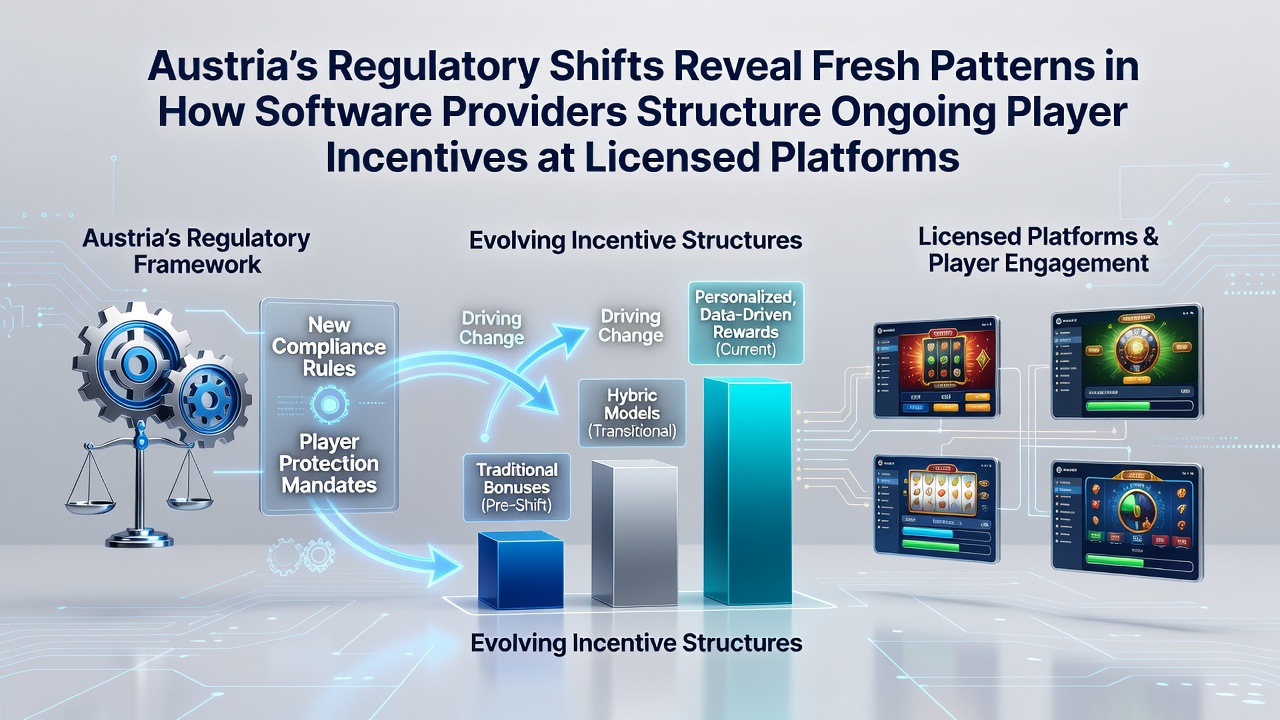
Recent updates from Austrian authorities emphasize clearer disclosure of incentive terms, and providers must now align their software systems with standardized reporting on how rewards accumulate over time. Licensed platforms face mandates that require integration of responsible gaming features directly into incentive frameworks, which means software developers adjust algorithms to cap certain reward frequencies while maintaining engagement levels for regular users. Data from the Austrian Ministry of Finance indicates these rules took effect progressively through 2025, setting the stage for full implementation checkpoints scheduled around September 2026.
Software providers respond by restructuring ongoing incentives around time-bound eligibility periods and activity thresholds, whereas earlier models often relied on unlimited accumulation of points or credits. Observers note that platforms now incorporate mandatory verification steps before releasing reload bonuses, and this approach reduces administrative burdens while ensuring compliance across multiple jurisdictions within the EU framework.
Software Design Adaptations
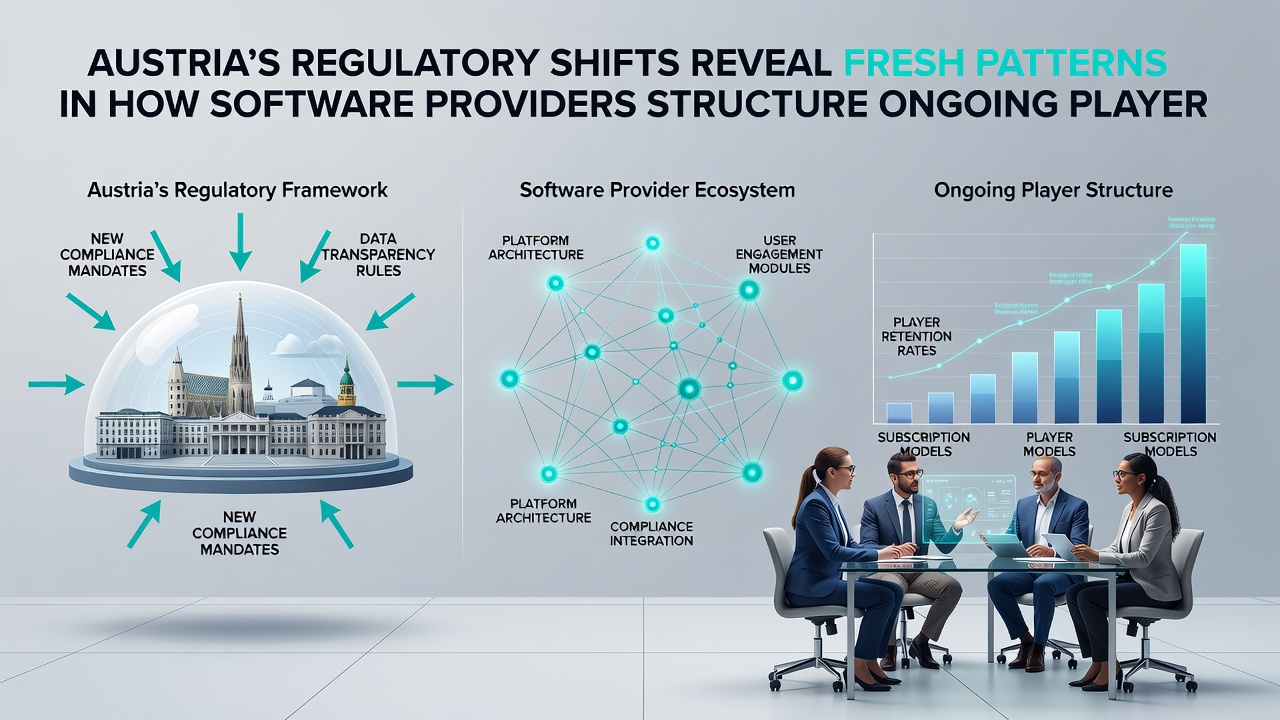
Providers modify backend systems to track player behavior through segmented data categories that separate promotional rewards from core gameplay outcomes, and this separation allows for more precise auditing by regulators. One study by researchers at the University of Melbourne found similar patterns emerging in comparable markets, where incentive structures shifted toward performance-based tiers rather than blanket offers. Those who've examined Austrian platforms report increased use of modular software components that let operators toggle specific reward features based on individual account history without violating uniform rules.
And yet the transition brings technical challenges, since legacy systems require updates to handle new data fields for incentive expiration dates and contribution limits. Providers address these by deploying API enhancements that connect directly with licensed platform dashboards, enabling real-time adjustments to ongoing promotions while preserving audit trails for authorities.
Patterns in Player Reward Structures
Fresh patterns emerge as providers favor hybrid models that combine fixed loyalty multipliers with variable cashback percentages tied to verified play volume, adn these models replace older flat-rate systems that drew scrutiny under updated guidelines. Licensed platforms roll out these changes through phased rollouts, with early adopters testing configurations that balance player retention against compliance thresholds set by national bodies. Evidence suggests that reload incentives now often include built-in cooling periods, during which players cannot activate new rewards until prior ones reach completion or expiry.
Researchers discovered through comparative analysis that Austrian operators align more closely with EU-wide data protection standards when handling incentive-related personal information, and this alignment influences how software handles consent flows for ongoing promotions. Platforms integrate these elements into user interfaces that prompt clear acknowledgments before reward activation, reducing potential disputes while streamlining operations for software teams.
Industry-Wide Implications
Software providers across the sector adjust their development roadmaps to accommodate these regulatory patterns, focusing on scalable tools that support dynamic incentive adjustments without full system overhauls. Licensed platforms benefit from standardized templates that simplify reporting on reward distribution, and figures from industry reports show a measurable uptick in modular incentive features deployed since mid-2025. Those monitoring the space highlight how September 2026 deadlines will likely accelerate adoption of unified tracking protocols that span multiple licensed venues.
Collaboration between regulators and technology firms produces shared guidelines on acceptable incentive structures, while avoiding over-prescription that might stifle innovation in reward design. This cooperative approach allows providers to experiment with new formats like streak-based loyalty boosts within defined parameters, and data indicates such formats gain traction among operators seeking differentiation under the revised rules.
Conclusion
Austria's evolving regulatory environment drives software providers toward more structured, transparent approaches to ongoing player incentives at licensed platforms, with changes emphasizing compliance integration and measurable accountability. These shifts continue to influence platform operations through 2026 and beyond, as providers refine their offerings to meet both legal standards and user engagement needs. The patterns observed reflect broader trends in regulated markets where technology adapts to support sustainable incentive models.