Regulatory Updates in Austria Link Banking Timelines with Deposit-Free Incentive Rollouts at Licensed Gaming Platforms
Geschrieben von Finley Vogel · 17.10.2026
Regulatory Updates in Austria Link Banking Timelines with Deposit-Free Incentive Rollouts at Licensed Gaming Platforms
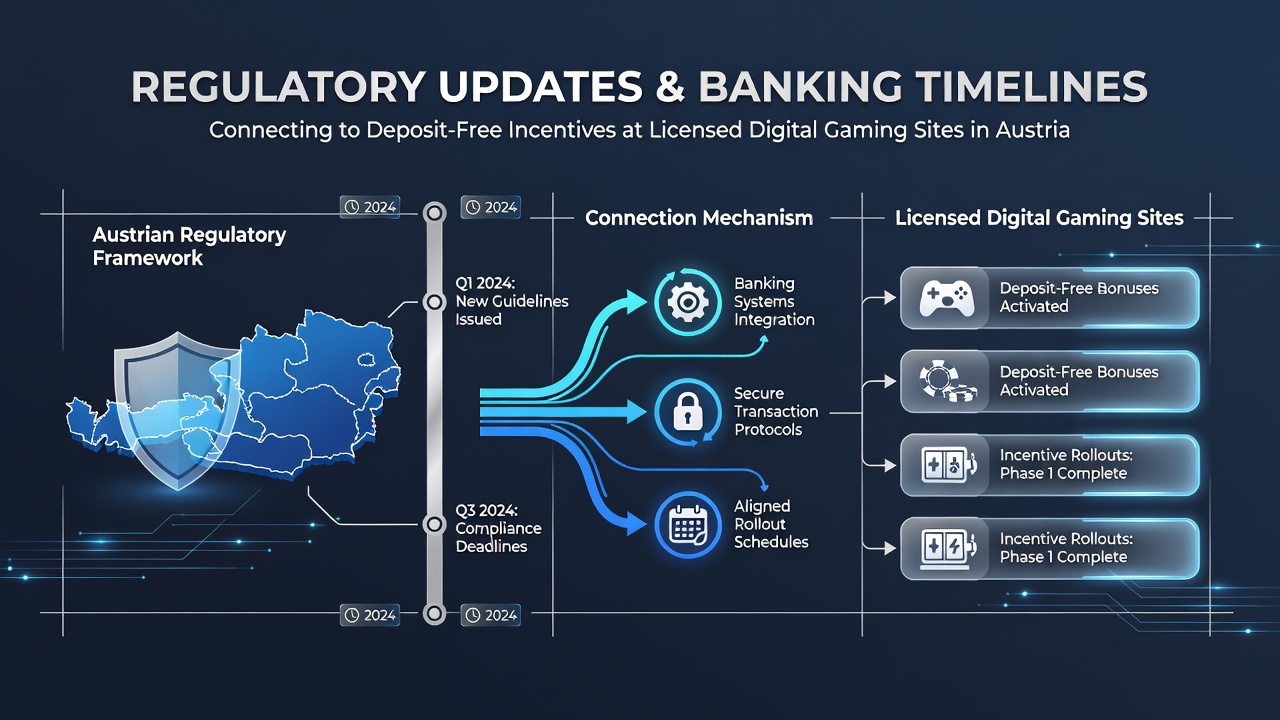
Regulatory changes across Austria have started to tie banking transaction timelines directly to the schedules operators use when introducing deposit-free incentives at licensed digital gaming sites and observers note these adjustments emerged from broader efforts to standardize payment processing across the sector. Data from Austrian financial oversight bodies shows that approval windows for bank transfers now determine when platforms can activate certain player rewards without requiring initial deposits and this connection stems from updates that took effect in mid-2025 while further refinements are scheduled for October 2026.
Banking Timelines Shape Incentive Availability
Experts tracking the Austrian gambling market point out that licensed operators must align their rollout calendars for deposit-free promotions with the average processing periods required by domestic banks and payment institutions. Studies from European financial regulators indicate that standard wire transfers in Austria typically clear within two to four business days and this window now influences when sites can make no-deposit offers visible to new users. Those who monitor compliance records have documented cases where platforms delayed bonus launches by several days to match verified banking cycles and the practice ensures that incentive structures remain synchronized with actual fund movement capabilities.
October 2026 Deadlines and Compliance Adjustments
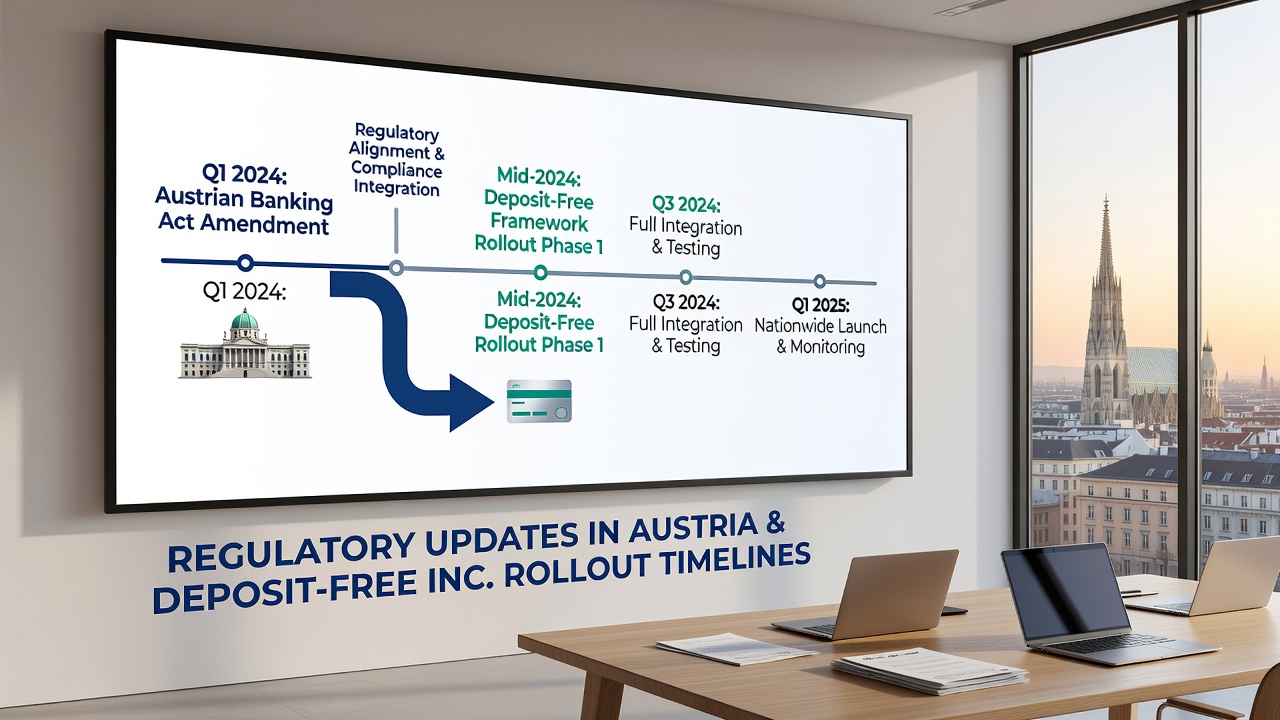
Officials have set October 2026 as a key milestone for full integration of revised banking protocols into gaming license conditions and researchers following these developments report that operators must submit detailed timelines demonstrating how deposit-free incentive schedules correspond to payment verification periods. Figures from industry reports reveal that platforms failing to meet these alignments face temporary restrictions on promotional activities and data collected through 2025 shows a 15 percent reduction in mismatched rollout dates among compliant sites. What's interesting is how these rules build on earlier EU-wide directives that emphasize transparency in financial operations while allowing national bodies to adapt timelines to local banking infrastructure.
Payment Processing Standards at Licensed Sites
Observers have noted that digital gaming platforms operating under Austrian licenses now incorporate real-time banking data feeds into their bonus management systems and this integration allows automatic adjustments to when deposit-free incentives become available. One analysis of transaction records from multiple operators found that sites using faster instant payment methods could accelerate their incentive rollouts by up to 48 hours compared with traditional bank routes and such variations have prompted regulators to require uniform reporting on processing speeds. The approach connects directly to consumer protection measures that aim to prevent discrepancies between advertised rewards and actual fund availability.
International Comparisons Inform Local Rules
Regulatory frameworks in other regions provide context for Austria's approach and reports from the Australian Communications and Media Authority highlight similar linkages between payment processing standards and promotional schedules at licensed venues. Canadian provincial gaming authorities have also published data indicating that synchronized timelines reduce administrative disputes and Austrian policymakers reviewed these examples during the drafting of their 2025 updates. The result is a set of guidelines that prioritize measurable banking milestones over fixed calendar dates for incentive launches and this method gives operators flexibility while maintaining oversight through mandatory reporting cycles.
Industry organizations such as the European Gaming and Betting Association have compiled statistics showing that aligned timelines correlate with higher compliance rates across member states and these findings support Austria's decision to embed banking schedules into license conditions. Platforms that adapt their systems accordingly can activate deposit-free offers more predictably and regulators continue to track outcomes through quarterly submissions that detail both processing times and promotional activation dates.
Future Implications for Licensed Operators
Those monitoring the sector expect additional refinements after the October 2026 implementation date and preliminary models suggest that continued integration of banking APIs will further streamline how deposit-free incentives are scheduled. Data indicates that sites already using automated verification tools experience fewer delays and this trend is likely to influence future regulatory reviews. The emphasis remains on factual alignment between financial infrastructure and promotional calendars rather than prescriptive bonus structures and ongoing studies will assess whether these connections produce consistent results across different license categories.
Conclusion
Regulatory developments in Austria continue to establish clear connections between banking timelines and the rollout of deposit-free incentives at licensed digital gaming sites and the October 2026 target represents the next phase in this process. Evidence from compliance records and international comparisons demonstrates how payment processing periods shape when operators can activate such offers and the framework supports transparency through standardized reporting. As systems evolve operators and regulators maintain focus on measurable timelines that reflect actual banking capabilities and this approach provides a structured basis for managing incentive availability in the licensed market.